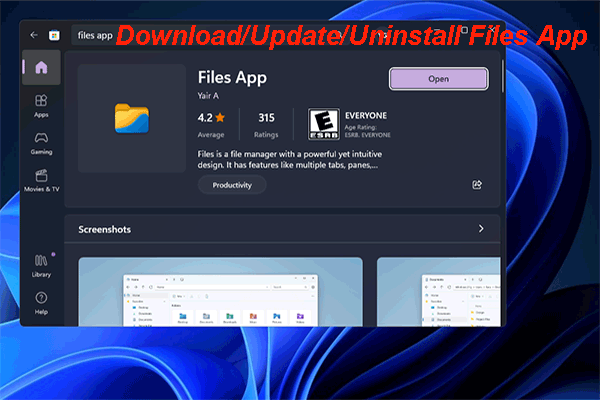
Choosing the right approach to download files for pc made easy starts with clear context, practical filters, and realistic expectations.
Introduction to Downloading Files for PC
Downloading files for PC is a common task that many of us perform daily. Whether it's downloading software, documents, or media files, having the right tools and knowledge can make a significant difference in efficiency and security. In this article, we will delve into the world of downloading files for PC, exploring the best software, platforms, and practices to ensure a seamless experience.
Understanding Download Managers
A download manager is a software that helps you download files from the internet in a more efficient and organized manner. These tools can accelerate download speeds, resume interrupted downloads, and even handle multiple downloads at once. Some popular download managers for PC include:
- IDM (Internet Download Manager)
- EagleGet
- FlashGet
- Free Download Manager
- JDownloader
Top Platforms for Downloading Files
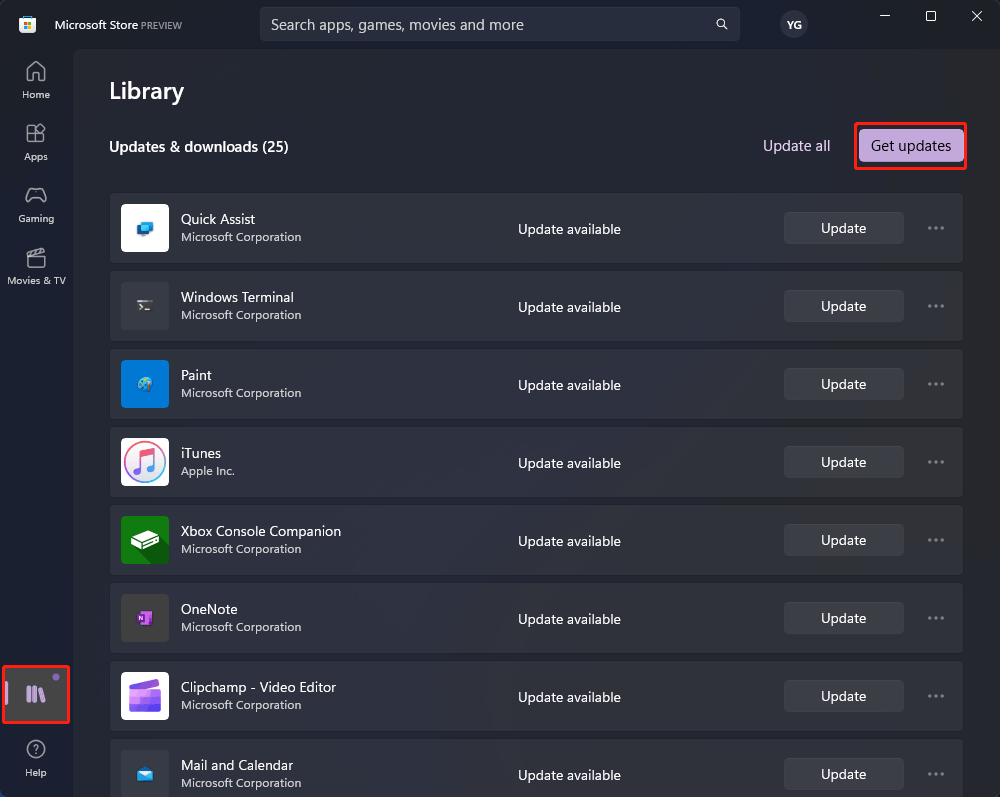
When it comes to downloading files for PC, there are several platforms that offer a wide range of options. These platforms can be categorized into two main types: peer-to-peer (P2P) file sharing and centralized file hosting. Some popular platforms for downloading files include:
- P2P File Sharing:
- + BitTorrent + uTorrent + qBittorrent
- Centralized File Hosting:
- + Google Drive + Dropbox + Microsoft OneDrive
Common Mistakes to Avoid When downloading files for PC, there are several common mistakes that can lead to security risks, slow download speeds, and other issues. Some of these mistakes include:
Not Using a Download Manager
Not using a download manager can lead to slow download speeds, interrupted downloads, and a lack of organization.
Not Scanning for Viruses
Not scanning downloaded files for viruses can put your PC at risk of malware and other security threats.
Not Checking File Integrity
Not checking the integrity of downloaded files can lead to corrupted or incomplete files.
Best Practices for Downloading Files To ensure a safe and efficient downloading experience, it's essential to follow some
best practices. These include:
- Using a reputable download manager
- Scanning downloaded files for viruses
- Checking the integrity of downloaded files
- Using a secure internet connection
- Avoiding suspicious or untrusted sources
Popular File Types for Downloading When it comes to downloading files for PC, there are several popular file types that are commonly downloaded. These include:
- Documents:
- + PDF + DOCX + XLSX
- Media Files:
- + MP3 + MP4 + AVI
- Software:
- + EXE + MSI + ZIP
Downloading Files from the Internet
Downloading files from the internet can be a straightforward process, but it requires some caution. When downloading files from the internet, make sure to:
- Use a secure internet connection
- Avoid suspicious or untrusted sources
- Scan downloaded files for viruses
- Check the integrity of downloaded files
Conclusion Downloading files for
PC is a common task that requires some knowledge and caution. By using the right software, platforms, and practices, you can ensure a safe and efficient downloading experience. Remember to always use a reputable download manager, scan downloaded files for viruses, and check the integrity of downloaded files.